Supplement Labels Are Full of Noise — Here's How to Find the Signal
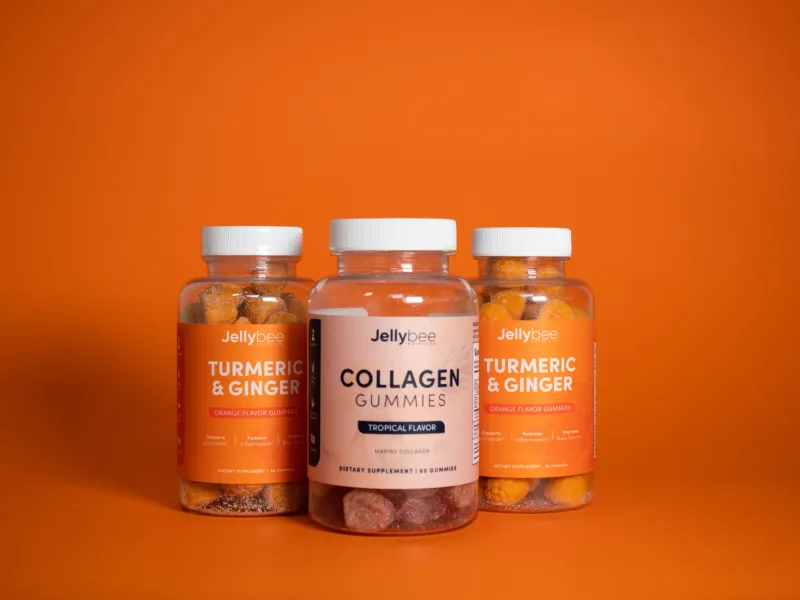
Walk down the supplement aisle at any Whole Foods, Walmart, or Vitamin Shoppe, and you'll be hit with a wall of confident-sounding language. "Clinically proven." "Maximum absorption." "Doctor formulated." "Pharmaceutical grade." It all sounds very official — and that's exactly the point.
The US supplement industry is worth over $50 billion annually, and a significant chunk of that revenue depends on consumers trusting labels they don't fully understand. This isn't a cynical takedown of all supplements — plenty of them offer real, evidence-backed benefits. But knowing how to read the fine print is the difference between spending your money wisely and funding someone else's marketing budget.
Let's break it down.
First, Understand the Regulatory Landscape
Here's the foundational thing to know: dietary supplements in the US are not approved by the FDA before they hit shelves. Unlike prescription drugs, supplements don't have to prove they're safe or effective before being sold to you. The FDA can step in after the fact if a product is found to cause harm — but by that point, you may have already been taking it for months.
This doesn't mean supplements are inherently dangerous or useless. It means the burden of vetting falls largely on you, the consumer. Understanding that context makes everything else on this list make a lot more sense.
Decoding the Language on the Label
"Clinically studied" or "clinically tested" This phrase sounds impressive, but it's almost meaningless without more context. What was studied — the exact formula in the bottle, or just one of its ingredients in isolation? Was the study peer-reviewed and published? Was it funded by the same company selling the product? A single small study doesn't establish effectiveness, and brands know that most people won't go hunting for the research.
"Proprietary blend" This is one of the bigger red flags in supplement labeling. A proprietary blend groups multiple ingredients under one umbrella, listing only the total combined weight — not how much of each individual ingredient is included. This lets companies include a popular, well-researched ingredient (say, ashwagandha or CoQ10) in a dose so small it would have no meaningful effect, while still featuring it prominently on the front of the bottle.
"Pharmaceutical grade" This term has no standardized legal definition in the supplement industry. Any brand can use it. It's meant to imply a level of purity and manufacturing rigor, but without third-party verification, it's just a marketing phrase.
"Doctor formulated" Similarly, this claim requires zero independent verification. A doctor may have been involved in creating the formula, or a brand may have simply consulted with one briefly, or — in some cases — the claim is applied very loosely. Look for specifics: who is the doctor, what are their credentials, and are they affiliated with the company financially?
"Natural" As with beauty products, "natural" on a supplement label carries no regulated meaning. Arsenic is natural. So is cyanide. The word tells you very little about safety or purity.
What Third-Party Testing Actually Means
This is where things get genuinely useful. Because the FDA doesn't pre-approve supplements, independent third-party testing organizations have stepped in to fill the gap. When a supplement carries one of these certifications, it means an outside lab has verified that the product contains what it says it does, in the amounts claimed, without dangerous contaminants.
Here are the main certifications worth recognizing:
-
USP Verified: The United States Pharmacopeia is one of the most rigorous and well-established standards bodies. A USP mark means the product has been tested for ingredient identity, potency, purity, and manufacturing quality.
-
NSF International: NSF certification (including NSF for Sport, which also screens for banned substances) involves facility audits and product testing. It's widely respected, especially among athletes and people in regulated professions.
-
ConsumerLab.com: This independent organization tests supplements purchased off the shelf and publishes results — including when products fail. Their database is subscription-based but worth it if you take multiple supplements regularly.
-
Informed Sport / Informed Choice: These certifications focus specifically on contamination with substances banned in athletic competition, but the testing process also verifies general label accuracy.
If a supplement doesn't carry any third-party certification, that doesn't automatically make it bad — but it does mean you're taking the brand's word for it.
The Ingredient Label: What to Actually Look At
Beyond the marketing language, the Supplement Facts panel is where the real information lives. Here's what to pay attention to:
Serving size and servings per container: This affects cost comparison and how long a bottle will actually last you.
% Daily Value: The FDA sets Daily Values for many nutrients. When a supplement provides 500% of your daily vitamin C, for example, that's worth thinking about — more isn't always better, and some nutrients can cause problems at very high doses.
The "Other Ingredients" section: This lists fillers, binders, coatings, and additives. If you're sensitive to certain compounds or trying to avoid specific ingredients (like titanium dioxide, artificial dyes, or certain preservatives), this is where they'll appear.
Bioavailability of the form used: For some nutrients, the specific chemical form matters a lot. Magnesium glycinate absorbs differently than magnesium oxide. Methylfolate is more bioavailable for many people than folic acid. If a supplement is pushing a specific form of an ingredient, it's worth a quick search to see whether the science supports that claim.
A Quick Checklist Before You Buy
Next time you're evaluating a supplement, run through these questions:
- Does it carry a USP, NSF, or similar third-party certification?
- Are all individual ingredient doses listed, or hidden in a proprietary blend?
- Can you find the actual research it references — and is that research independent?
- Is the form of each ingredient supported by published science?
- What's in the "Other Ingredients" list, and are you okay with those additions?
No supplement is going to answer yes to every question perfectly, but the more boxes it checks, the more confident you can feel about what you're putting into your body.
The Bottom Line
Supplement shopping doesn't have to be a guessing game, but it does require a bit of homework. The brands worth trusting are the ones that welcome scrutiny — that publish their third-party test results, disclose their sourcing, and don't hide behind vague language. Your health is worth the extra five minutes of label reading. And your wallet will thank you too.