Heavy Metals in 'Clean' Foods: What the Contamination Research Actually Tells Us
You've done everything right. You buy organic. You read labels. Maybe you've even switched to a cleaner protein powder and started taking adaptogenic herbs. But there's a category of contamination that sidesteps all of those choices entirely — and it has nothing to do with artificial additives or synthetic pesticides.
Heavy metals — arsenic, lead, cadmium, mercury — show up in some of the most carefully sourced, earnestly labeled health foods on the market. And understanding why requires thinking about contamination differently than most wellness content asks you to.
Why 'Organic' Doesn't Mean Metal-Free
This is the part that surprises people. Organic certification governs what farmers can and can't apply to soil and crops — synthetic fertilizers, certain pesticides. It says nothing about what's already in the soil.
Heavy metals accumulate in soil through decades of industrial activity, atmospheric deposition, mining, smelting, and yes — even some historically used organic farming inputs like phosphate fertilizers, which can carry cadmium. Plants grown in contaminated soil absorb those metals through their root systems. The certification on the bag doesn't change what was in the ground.
Certain crops are particularly efficient at pulling metals from soil — a property that's actually useful in environmental remediation (called phytoremediation) but less welcome when those same plants end up in your smoothie.
The Foods with the Highest Exposure Risk
Not all foods carry equal risk. A few categories consistently show up in contamination testing.
Rice Rice is the heavy metal story that's been hiding in plain sight for years. The rice plant is unusually efficient at absorbing inorganic arsenic from soil and water, and it concentrates in the grain itself. Consumer Reports has tested rice products multiple times and found detectable arsenic across virtually all varieties — with brown rice generally higher than white (because arsenic concentrates in the bran layer), and rice grown in certain US regions, particularly the South, sometimes higher than rice from California or imported sources.
Rice-based baby cereals drew particular scrutiny from the FDA after studies found they were among the highest contributors to arsenic exposure in infants. The FDA has since established guidance limiting inorganic arsenic in infant rice cereal to 100 parts per billion.
Protein Powders and Supplements A 2018 study by the Clean Label Project tested 134 protein powder products and found that many — particularly plant-based varieties made from brown rice protein, hemp, or pea protein — contained detectable levels of lead, arsenic, cadmium, and mercury. Organic products in the study were actually more likely to have higher heavy metal levels than conventional ones, likely because organic farming practices can affect soil mineral dynamics.
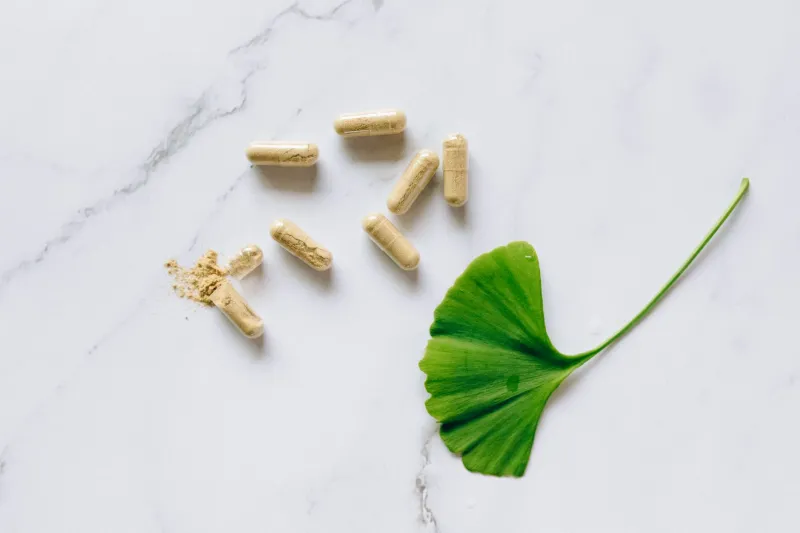
Herbal supplements are similarly variable. Ayurvedic herbs, traditional Chinese medicine formulas, and popular adaptogens like ashwagandha and moringa have all shown up in independent testing with elevated heavy metal readings. Some of this is soil-based, some is related to manufacturing practices, and some comes from herbs grown in regions with less stringent agricultural oversight.
Dark Chocolate and Cocoa This one stings. Consumer Reports published findings in 2023 showing that a significant portion of dark chocolate products tested contained concerning levels of cadmium and lead — with some products exceeding California's Prop 65 threshold with a single serving. Cocoa plants absorb cadmium readily from soil, and lead contamination can occur during drying and processing. The higher the cacao percentage, generally the higher the concentration.
Leafy Greens and Root Vegetables Spinach, kale, and root vegetables grown in urban soils or near industrial sites can carry elevated lead and cadmium. This is more of a localized concern — community gardens in former industrial areas, for example — but worth noting for urban growers.
How the Body Handles These Metals
The concept of bioaccumulation is central here. Unlike many compounds that the body processes and eliminates, heavy metals tend to accumulate in tissues over time. Lead stores in bone. Cadmium concentrates in the kidneys. Inorganic arsenic has a shorter half-life in the body but with chronic low-level exposure, cumulative effects become relevant.
The dose-response relationship matters enormously. A single serving of rice isn't going to harm a healthy adult. The concern is chronic, repeated exposure — particularly for vulnerable populations: pregnant women, infants and young children, people with compromised kidney function, and anyone whose diet is heavily concentrated in high-risk foods.
Where FDA Standards Fall Short
Federal standards for heavy metals in food are incomplete and, in some areas, outdated. The FDA has action levels for specific contaminants in specific foods — methylmercury in fish, inorganic arsenic in apple juice and infant rice cereal — but there are no comprehensive federal limits for heavy metals across the broader food supply.
For dietary supplements, the regulatory gap is even wider. The FDA doesn't require pre-market testing of supplements for heavy metal contamination. The burden falls on manufacturers to ensure their products are safe, and enforcement is reactive rather than preventive.
California's Prop 65 law functions as a de facto national standard for many manufacturers since products sold in California must carry warnings if they exceed certain thresholds. But Prop 65 is also criticized for being overly conservative in ways that can generate warnings on products with minimal actual risk — contributing to consumer confusion about what levels genuinely matter.
Practical Testing Options
If you want to know what's in specific products, a few resources are actually useful.
Third-party tested supplements: Look for products that carry NSF International, USP (United States Pharmacopeia), or Informed Sport certification. These organizations test for heavy metal contamination as part of their verification process. It's not a guarantee, but it's a meaningful signal.
Consumer Reports and Clean Label Project: Both organizations conduct independent product testing and publish findings. The Clean Label Project's database (cleanlabelproject.org) covers protein powders, baby food, and pet food with heavy metal data.
Home testing: If you're on well water or have concerns about a specific food source, certified labs like National Testing Laboratories or Tap Score offer consumer testing kits. For food itself, DIY testing is less practical — sending individual food samples to a certified lab is possible but expensive and rarely necessary for most people.
Is This Anxiety-Marketing or a Real Concern?
Both, honestly — and knowing which is which matters.
The wellness industry has discovered that contamination anxiety sells. "Heavy metal detox" products, elaborate chelation protocols, and fear-based marketing around trace mineral exposure have proliferated in ways that aren't always grounded in proportionate risk assessment. For most healthy adults eating a varied diet, the heavy metal exposure from typical food choices doesn't rise to crisis level.
But the concern isn't fabricated. For people who eat rice as a daily staple (common in many Asian American households), feed infants rice-based cereals, rely heavily on brown rice protein powder, or eat dark chocolate regularly — understanding and moderating exposure is genuinely worthwhile. For pregnant women and young children, the precautionary principle applies more strongly.
The cleanest path forward isn't eliminating everything or buying into detox theater. It's dietary variety — because a varied diet naturally limits the concentration of any single contamination source — plus some informed choices about which high-risk products to rotate rather than rely on daily. That's not anxiety. That's just paying attention.